Overview
The Kongakut River is one of the most remote and rewarding multi-day river expeditions in North America. Flowing out of the eastern Brooks Range and across the Arctic National Wildlife Refuge (ANWR) to the Beaufort Sea, it offers a rare combination of approachable whitewater, world-class hiking, and extraordinary wildlife density.
At first glance, the Kongakut is often labeled as an “easy” float. In reality, it’s better described as a wilderness expedition with low technical difficulty but very high consequence. Once you’re on the river, hundreds of miles from infrastructure or rescue, the environment rather than the rapids is what defines the seriousness of the trip.
Key challenges include:
- Aufeis (overflow ice): Early season ice shelves can force the river into narrow channels—or underneath the ice entirely
- Braided channels: Continuous navigation decisions and risk of grounding or stranding gear and getting stuck in strainers
- Cold water: Near-freezing, high consequence for swimmers
- Variable flows: Mid-June runoff can push water levels up significantly
Drain Creek to Caribou Pass
_________
Length: 45 miles/ 5 to 13 days
Caribou Pass to Icy Reef: 30 miles
Icy Reef to Turner River: 10 ocean miles
Class: I-II (III)
Gradient: fairly continuous
Season: June – August
Shuttle: Multiple Plane Flights 4+ hours
Recommended Flows: 600? to 10000? cfs
Trip Type: Raft supported hiking trip
Permits: None Required
Access, Flights & Expedition Logistics
Getting to and from the Kongakut is the most complex part of the trip and the limiting factor for most people deciding to run the river. For small groups of 2 or 3 with minimal gear a bush plane can be hired to fly one directly into the river. However many larger groups have an initial subset fly in with the bush plane and the remaining people fly in a 9 seat commercial plane to one of the two major access points, Arctic Village or Kaktovik, and have the bush plane fly back there to fly them into the river to maximize efficiency.
Arctic Village
- Most common launch access point
- Typically used for upper river starts (Drain Creek area)
- Good access to the Brooks Range section
Kaktovik
- Coastal village on the Beaufort Sea
- Used for:
- Coastal pickups
- Some downstream insertions
Bush Flights
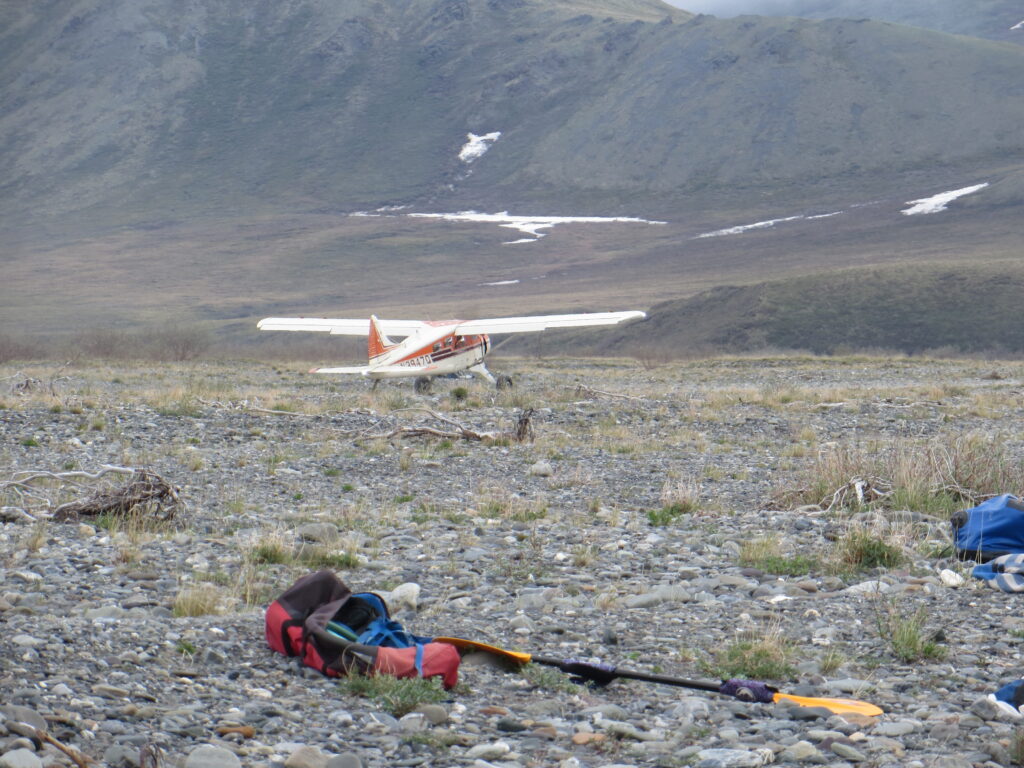
- Access is entirely via small bush planes landing on gravel bars or remote strips
- Flights typically involve:
- Multiple legs
- Weight restrictions
- Weather-dependent routing
Costs are a major factor.
Expect flight costs to be the largest expense of the trip.
Map of Key Locations
Flights & Costs (As of 2026)
Accessing the Kongakut is one of the most significant logistical and financial components of the trip. Most group sizes are dictated by plane capacities as you want to use all 3 or 4 spaces in the bush plane to keep cost more reasonable.
- Bush flights: Typically the largest expense
- Expect:
- ~$4,500–$7,000+ per person depending on:
- Group size
- pickup location (Caribou Pass vs coast)
- number of flight legs
- fuel prices and availability
- ~$4,500–$7,000+ per person depending on:
Costs in the Arctic change frequently. These numbers reflect typical pricing as of 2026 and should be used as a planning baseline, not a quote.
Weather & Delays
Flight schedules in the Arctic are conditional.
Common delay factors:
- Fog (especially near the coast)
- Wind
- Low ceilings in the Brooks Range
- Changing river conditions affecting landing zones
It’s not uncommon to experience delays of multiple days either getting in or getting picked up.
Pickup Reality
Extraction is where things get real:
- Pilots need:
- Visibility
- Safe landing surface
- Acceptable wind conditions
- Coastal pickups add another layer:
- Fog banks
- Soft or shifting landing zones
- Saltwater exposure
You need to plan food, water, fuel, and flexibility assuming you may be waiting. You’re operating in a system where aviation, weather, and terrain all have to line up. Build buffer days into your schedule. Both ends of the trip should be treated as flexible. Also it is important to travel to and from the river with sleeping equipment and extra food as unplanned nights in Kaktovik ad Arctic Village can happen.
The Experience
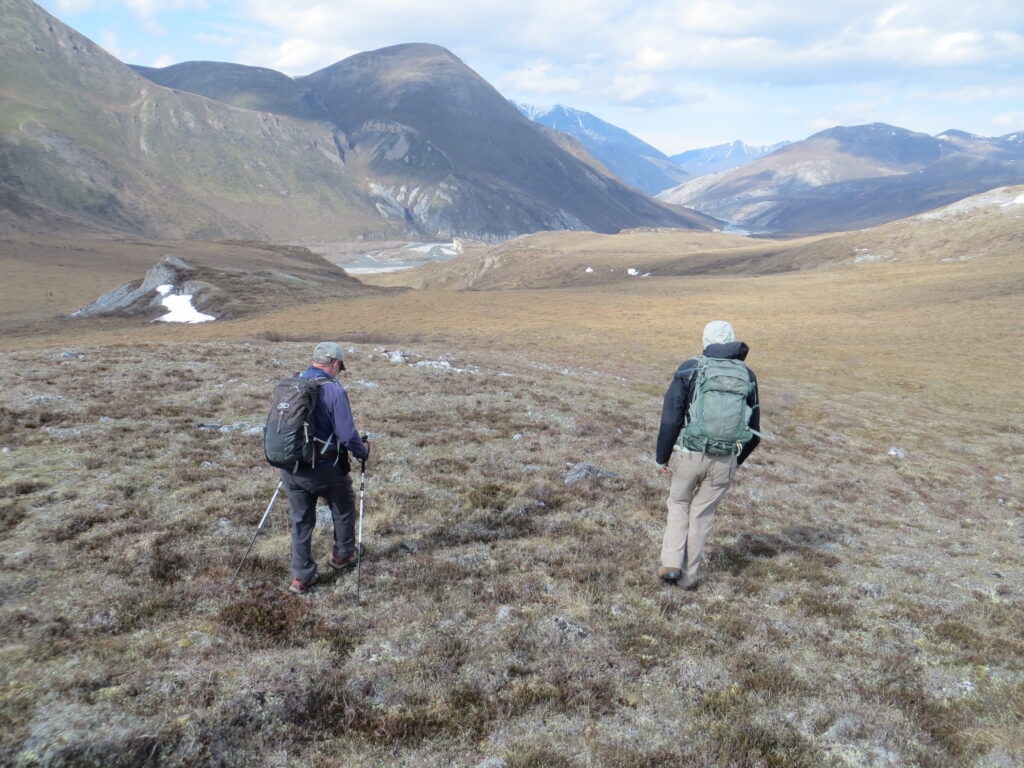
The Kongakut is typically run as a basecamp-style Arctic expedition.
- Continuous daylight allows for long hiking days and flexible pacing
- Camps are often positioned for ridge hikes directly from the river
- The Brooks Range provides some of the best non-technical hiking terrain in Alaska
Most groups intentionally build in multiple layover days because the more time you spend in ANWR the more likely you are to see something interesting.
Wildlife
Few rivers in Alaska match the Kongakut for wildlife.
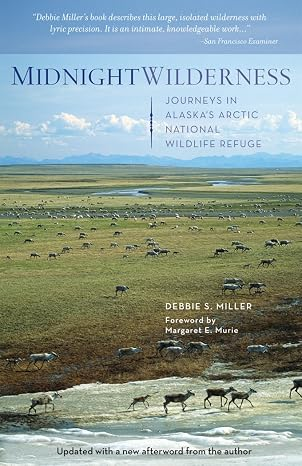
- Porcupine Caribou Herd: The river valley serves as a major migration corridor for the largest herd in Alaska
- Dall Sheep: Regularly visible on high ridgelines above camp
- Moose: Becoming more common along gravel bars and tundra benches
- Muskox: most common in the coastal plane
- Grizzly Bears: Sightings possible
- Wolves: While sightings are less common, tracks, scat, and other sign are regularly encountered, especially in areas where caribou are moving
- Birdlife: Increasingly dense toward the coast
Wildlife activity alone is reason enough to slow the trip down and spend time glassing, hiking, and waiting.
Outfitter Spotlight
Rivers & Oceans
A specialty of ours, we run multiple trips each year rafting the Kongakut River. Our world-class guides have decades of experience. Learn more about rafting in ANWR including rates and dates. Call us: (928) 526-4575
Season & Timing
- Early Season (mid–late June):
- Higher water from snowmelt
- Potential aufeis hazards
- Fewer mosquitoes
- higher probability of muddy water
- Mid Season (July):
- Stable flows
- Peak bug activity
- Strong wildlife movement
- better fishing
- Late Season (August):
- Cooling temperatures
- Fewer bugs
- Fall colors beginning
- popular for fishing and hunting
With 24-hour daylight in June and July, travel windows are flexible, but weather remains unpredictable throughout the season.
Trip Length & Strategy
While the river can technically be floated in just a few long days due to constant gradient and daylight, that approach misses the point.
Recommended trip style:
- 7–12 days total
- Multiple layover days
- Daily hiking + wildlife observation
Take-Out Options: The Real Decision
One of the defining choices on the Kongakut is where to end your trip.
Caribou Pass (Interior Take-Out)
Pros:
- More reliable pickup conditions
- Avoids coastal weather complications
- Simpler logistics
Cons:
- Misses the Arctic coastal ecosystem
- Shorter overall trip
- Historically this take out allowed for a hike to views of the Arctic Ocean but the old strip on river right has been under cut by the river and the new strip is now upstream on river left making access to the hike challenging.
Continuing to the Coast
Pushing to the Arctic Ocean adds a completely different dimension but also real complexity.
Conditions Near the Coast
- Colder temperatures
- Persistent fog (including ice fog)
- Increased wind exposure
- Heavier mosquito pressure
Option 1: Icy Reef
- Direct ocean take-out
- Remote and exposed
Challenges:
- No fresh water availability
- Soft/sandy landing conditions (not all pilots are comfortable landing here)
- Documented polar bear activity, some groups maintain overnight watches
Option 2: Turner River Exit
- Continue ~10 miles east along a barrier island system (saltwater paddle)
Pros:
- More reliable airstrip
- Better access to fresh water
- Safer, more established pickup location
Cons:
- Easterly winds impacting paddle along the coast
- Open-water paddling required
Bonus:
The Turner River coastal lagoon system is known for exceptional birdlife, offering a completely different ecosystem from the mountain portion of the trip.